Design, backend, AI conversation, subscription billing and store submission — one product, delivered by one team, on iOS and Android.
People who want a daily reading habit rarely fail for lack of material. They fail because the material doesn't meet them where they are — it assumes twenty free minutes, a quiet room, and a mood that hasn't already been spent on the commute.
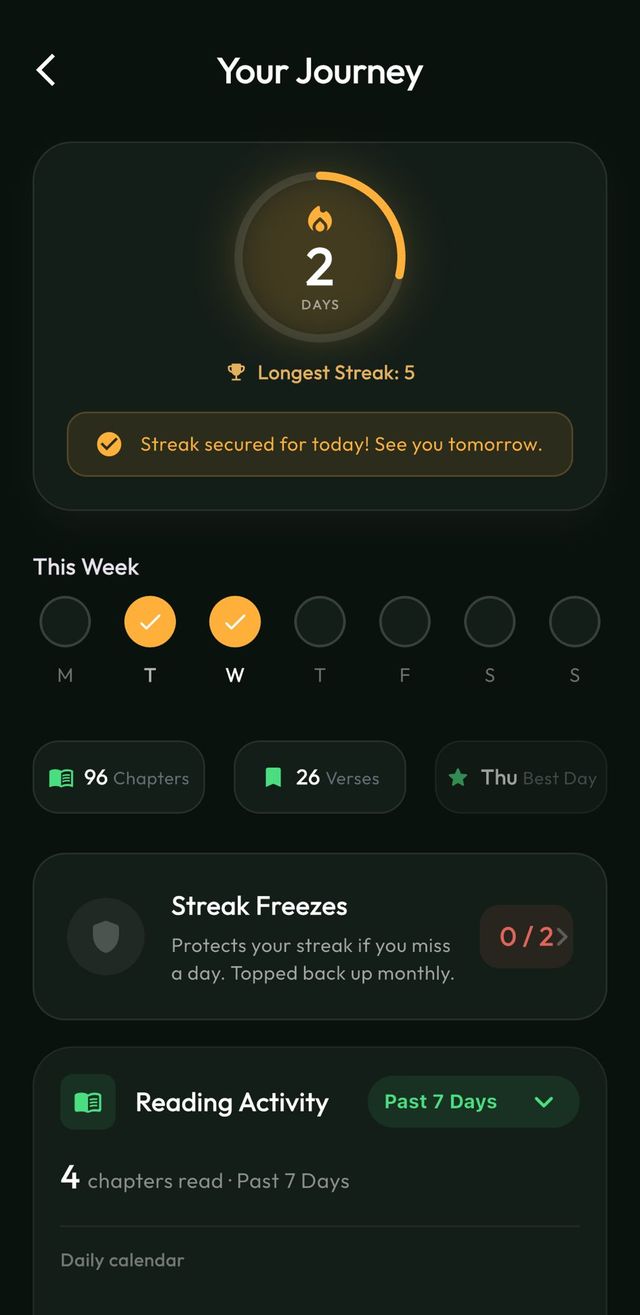
The brief was to build something that works in two minutes or twenty, remembers where you were, and doesn't guilt you when you miss a day. That's a retention problem before it's a content problem, and it shaped every decision that followed.
Three features carry the product. Everything else supports them.
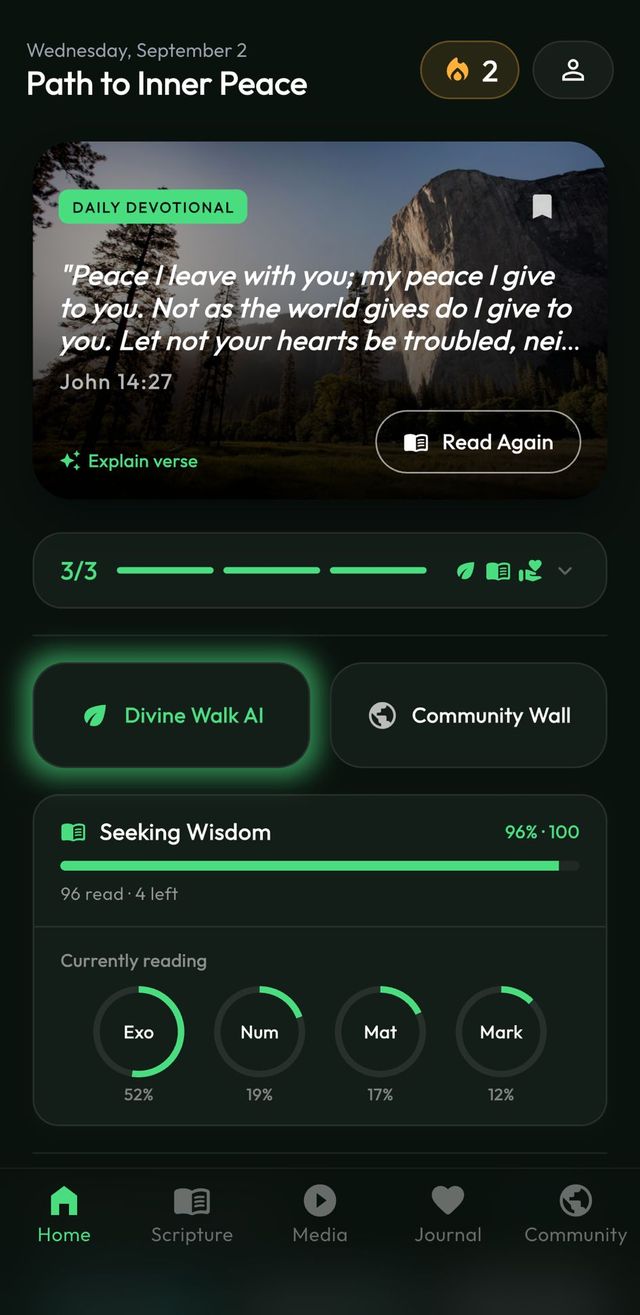
Auto-updating verses, typeset properly. Content rotates without an app update, so the reading list can change without shipping a release.
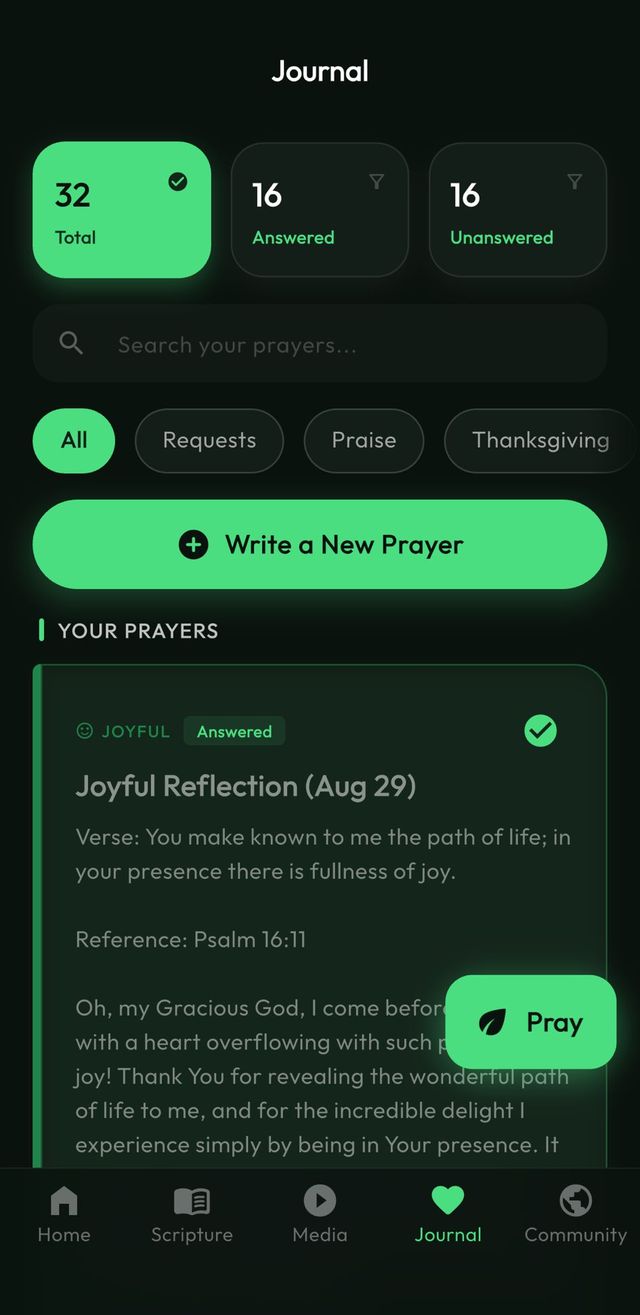
Entries the user categorises and can mark answered later. Stored per-user with row-level security, so nobody sees anyone else's writing.
A guided conversation that responds to what someone brings to it, with moderation on both the input and the response before anything is shown.
One codebase, two stores, and a backend that didn't need a server to maintain.
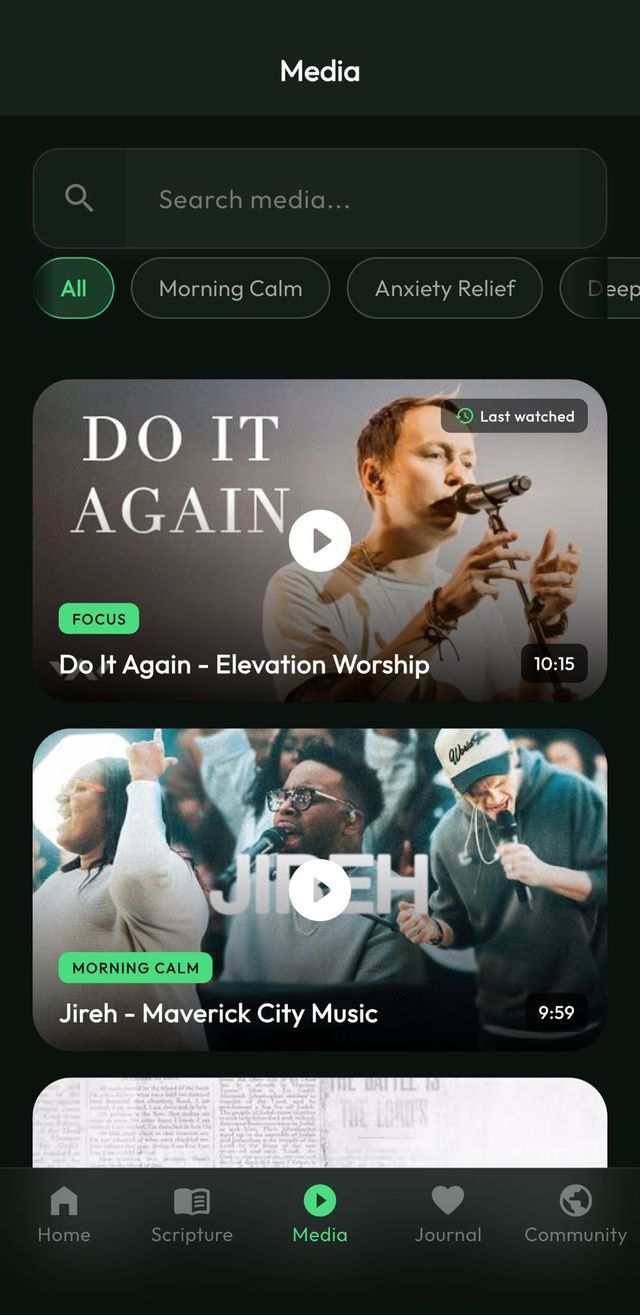
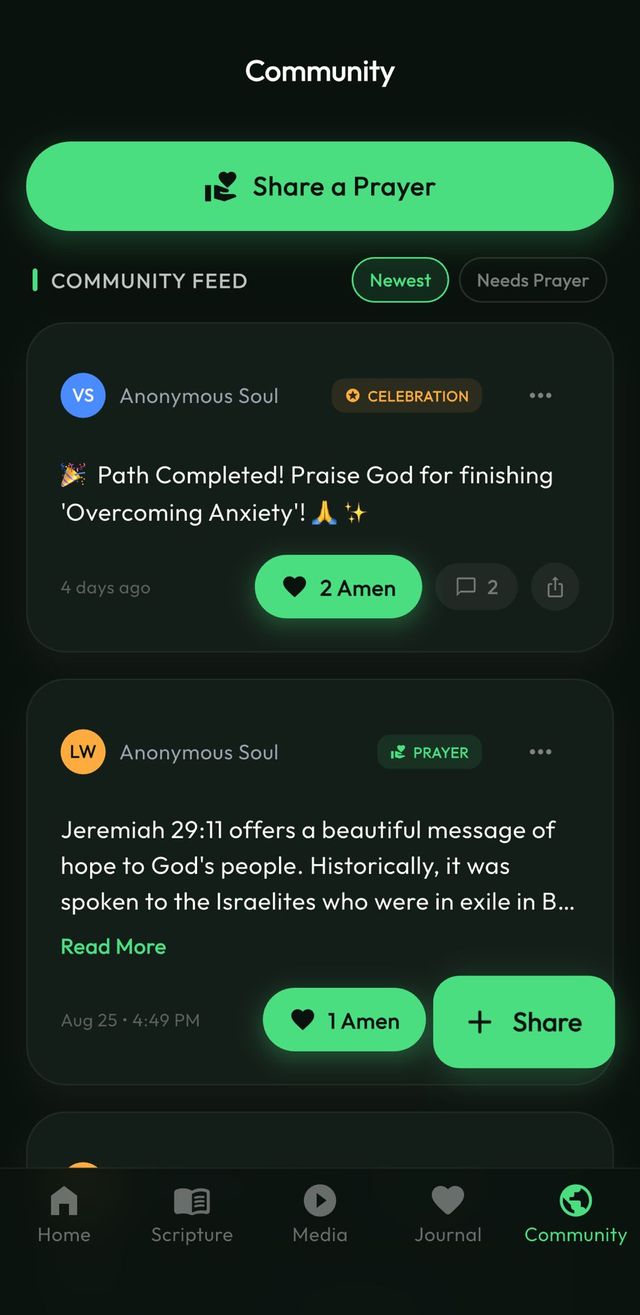
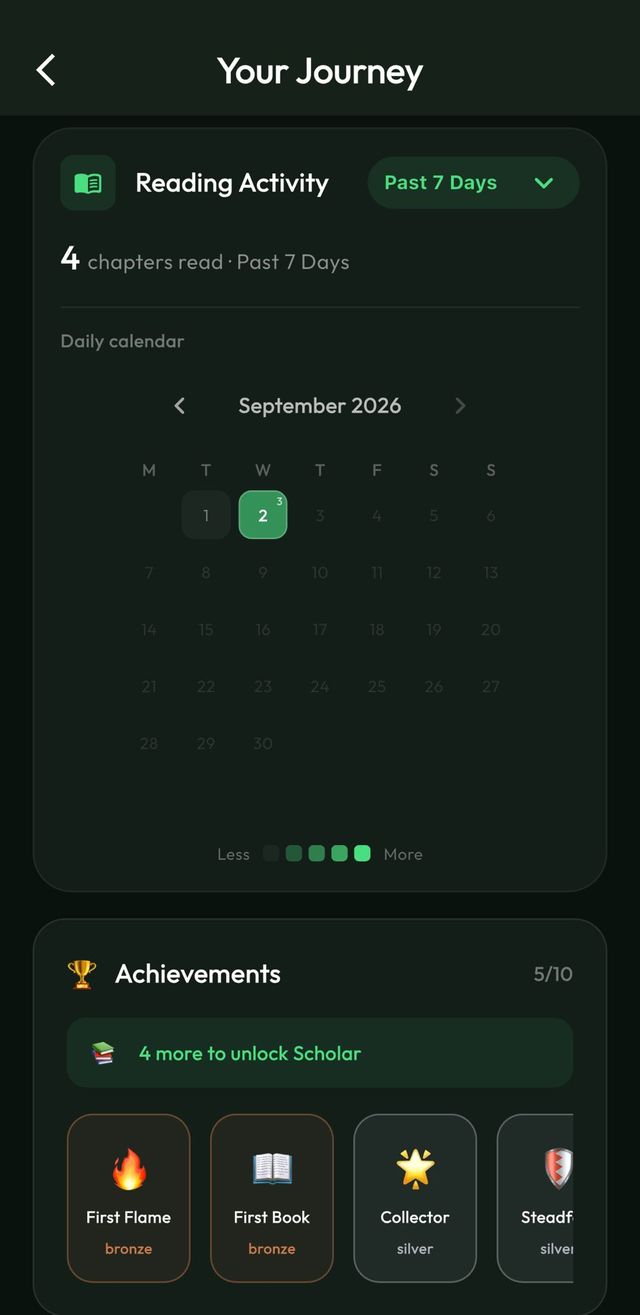
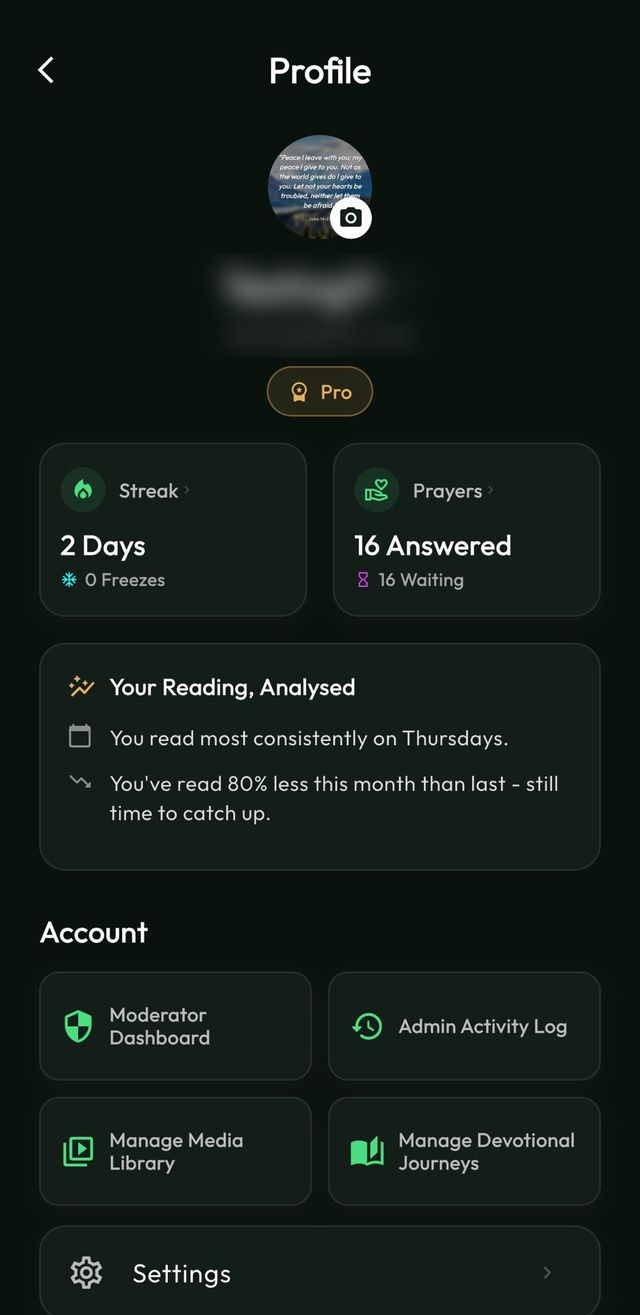
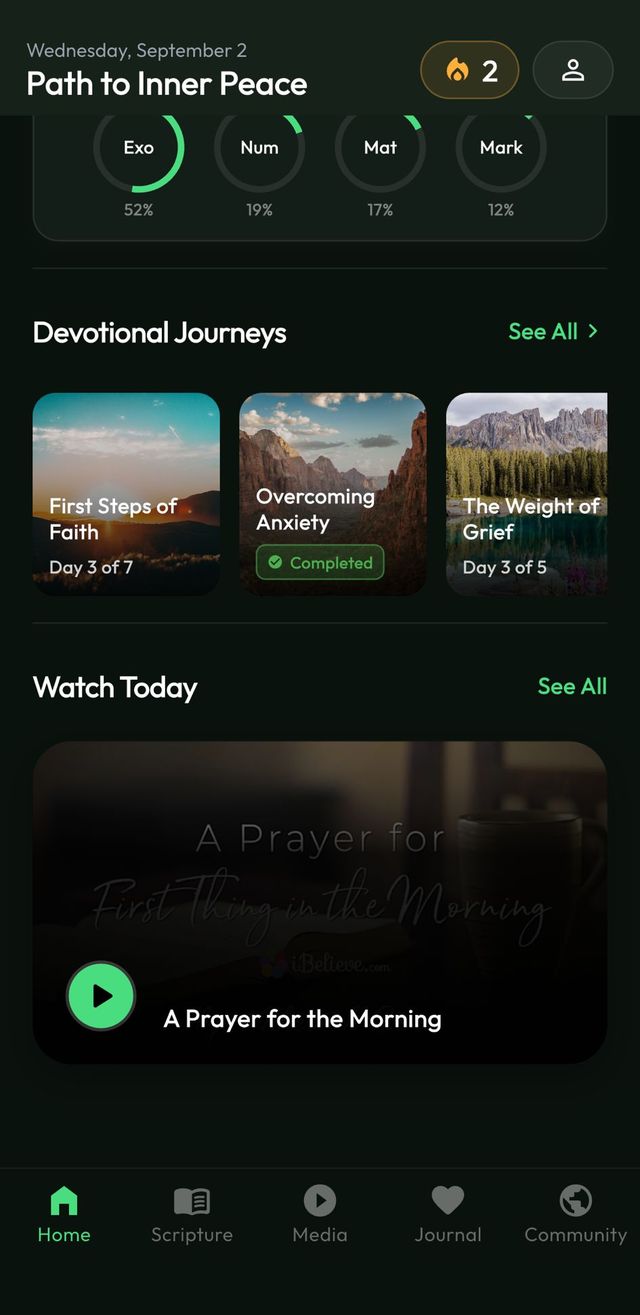
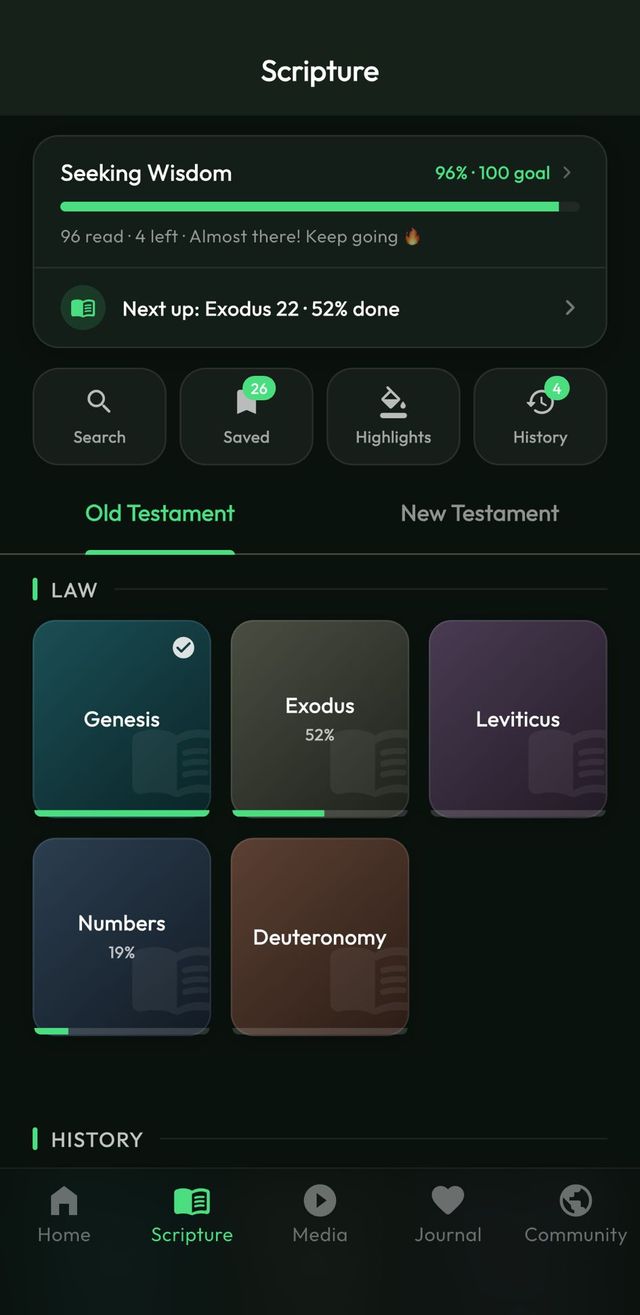
Every main surface — daily reading, scripture library, media, private journal, community wall, progress tracking and the admin tools behind it.


DivineWalk covers the full range of what a real product needs — accounts, payments, private user data, third-party AI, content that updates independently of releases, and two app store review processes. Most business software is a subset of that list.
It also shows the working method: scope the smallest version that's genuinely useful, ship it, then extend. The app launched with a free tier and one paid plan rather than every feature that was on the whiteboard.
DivineWalk has its own home, with the app store links and the full feature story.
Visit DivineWalkStart with a free discovery session. You get a written plan, a timeline and a fixed quote — yours to keep either way.
Book a free discovery session